High-pressure Reactors
Search
Category
Related Industries
- When does a jacketed polymerization reactor need tighter temperature control?Jacketed polymerization reactor temperature control: learn when tighter control protects product quality, prevents hot spots, and improves process safety.
- What drives heat exchanger technology cost in new process projects?Heat exchanger technology cost depends on duty, materials, pressure, fouling, and installation. Learn how to control project budgets, reduce risk, and compare bids smarter.
- How bearing preload affects turbine reliability in aerospace systemsAerospace bearings for turbines: discover how precise preload control improves rotor stability, reduces skidding and heat, and supports reliable aerospace turbine performance.
Weekly Insights
Stay ahead with our curated technology reports delivered every Monday.
-
 2026-06-23
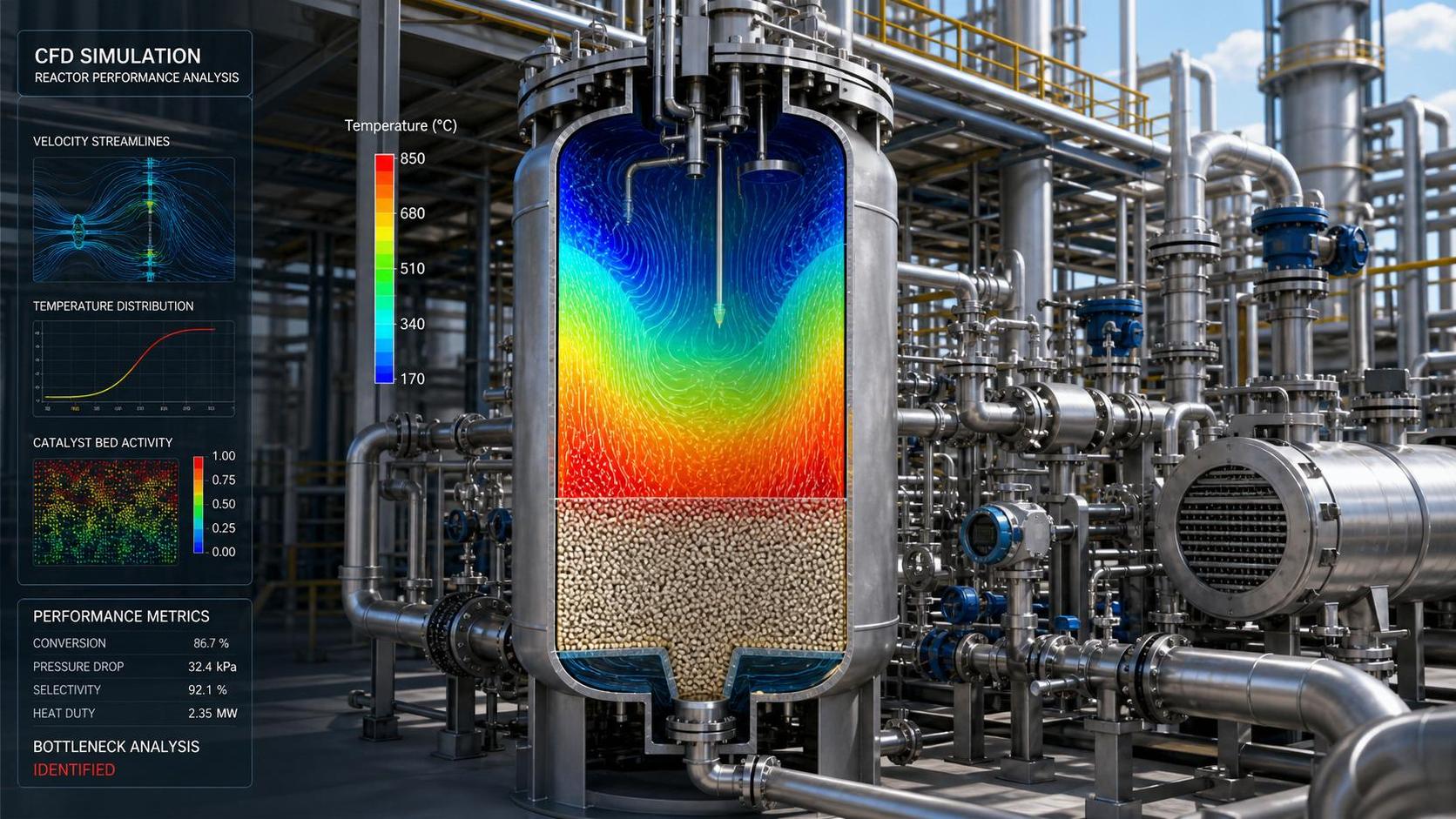
Chemical CFD Simulation for Reactor Debottlenecking: What to Check First
Chemical CFD simulation helps identify the real reactor bottleneck first—flow distribution, heat transfer, catalyst use, or pressure drop—so debottlenecking plans boost capacity with lower risk.
-
 2026-06-22
Reactor Safety Systems: Key Failure Points and Safer Upgrade Priorities
Reactor safety systems: uncover the top failure points in sensing, relief, shutdown logic, materials, and operator response—plus smarter upgrade priorities to reduce risk faster.
-
 2026-06-21
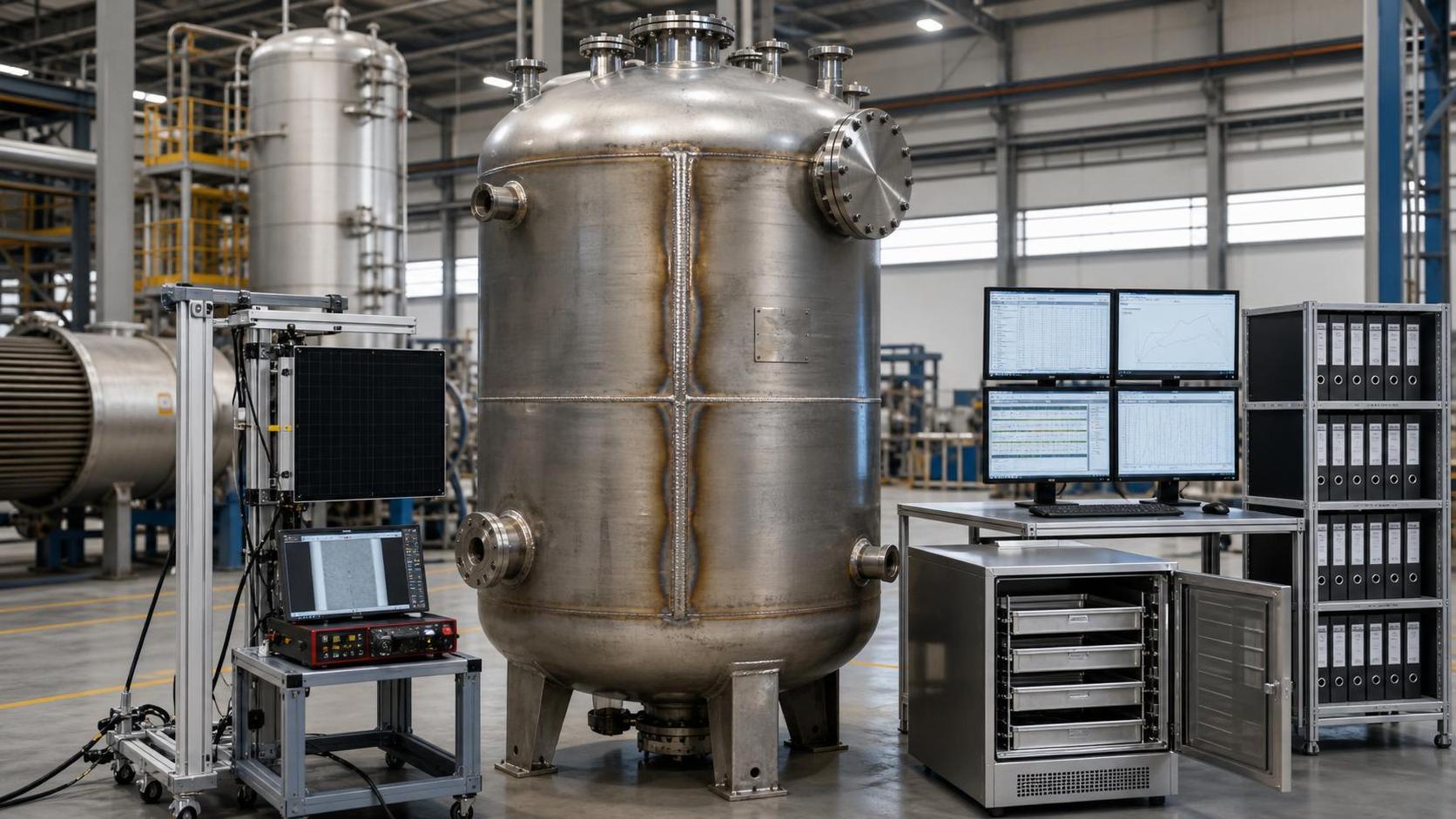
EN 13445-3:2026 Sets DR and Blockchain Traceability Rule
EN 13445-3:2026 introduces mandatory digital radiography and blockchain traceability for certain pressure vessels. See who is affected, key deadlines, and how to prepare for EU compliance.
-
 2026-06-20
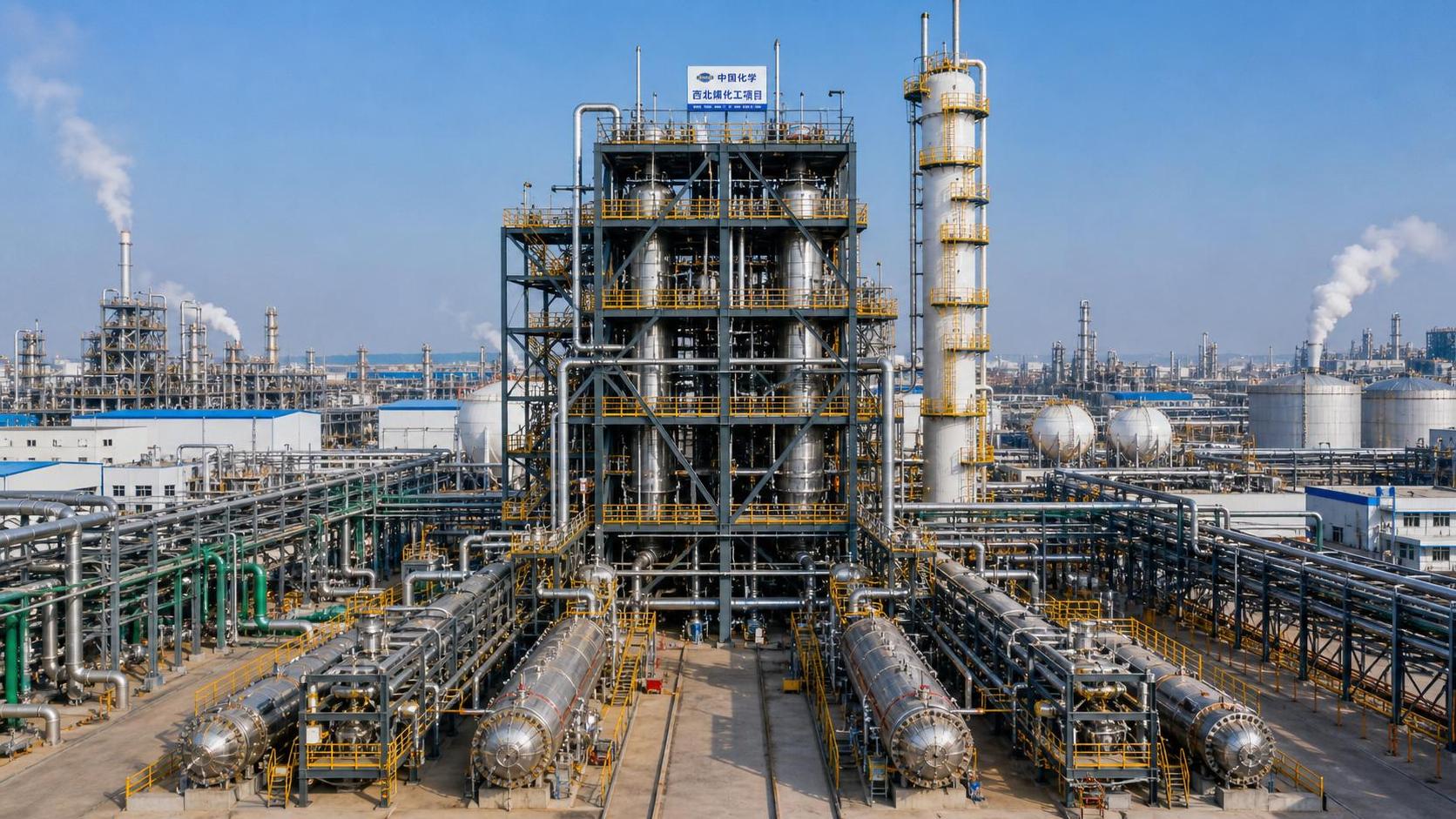
OPEC Output Shock Raises Cost Edge for Coal Chemistry
OPEC output shock is reshaping coal chemistry economics as rising oil costs revive EPC tenders. See how procurement, compliance, and delivery demands may shift for suppliers and contractors.
-
 2026-06-20
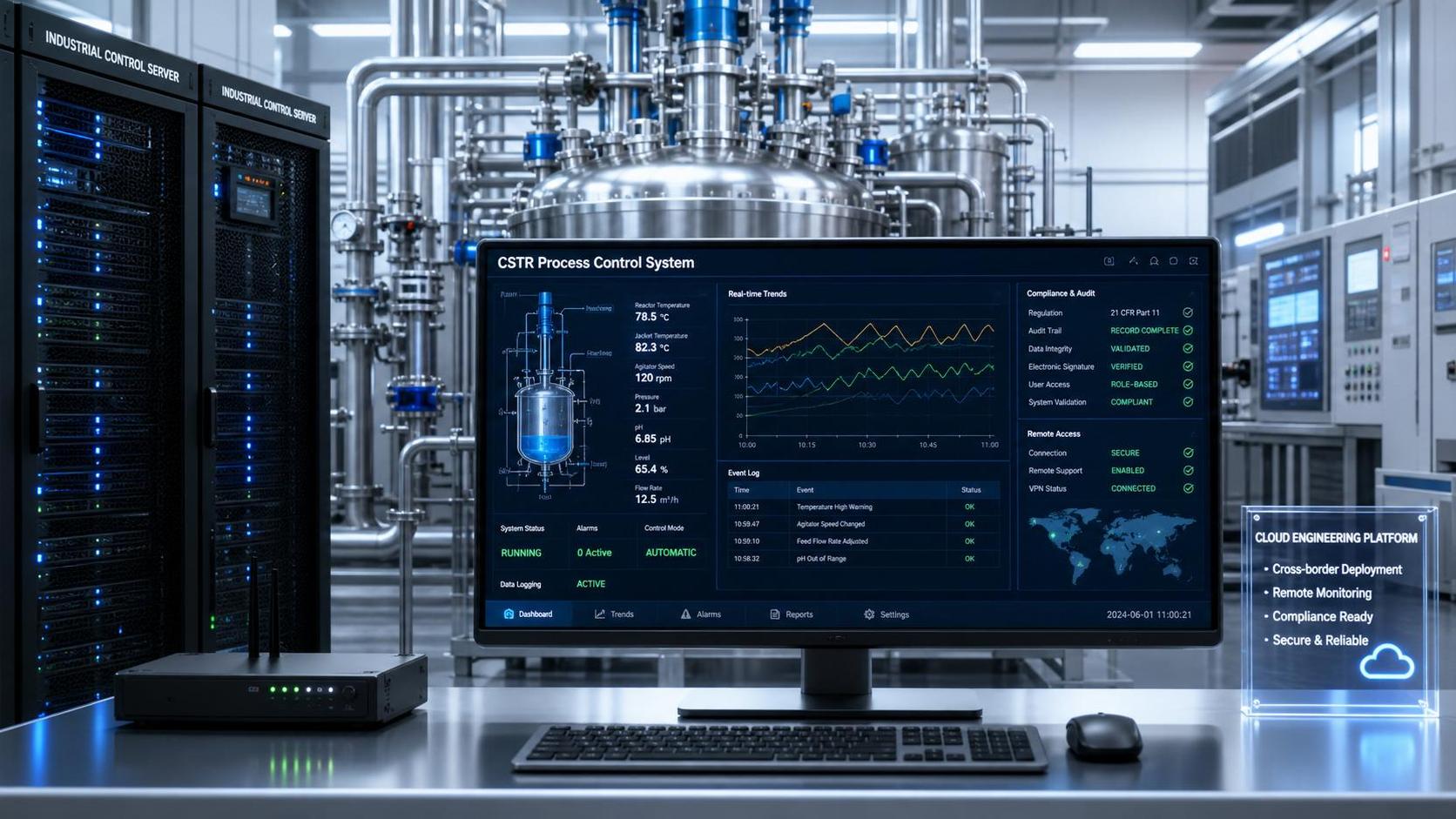
WTO e-transmission moratorium lapse hits industrial software exports
WTO e-transmission moratorium lapse reshapes industrial software exports, remote diagnostics, and cloud engineering services. See tariff, data compliance, and delivery risks now.
-
 2026-06-20
Reaction Kinetics Explained: What Really Changes Scale-Up Results
Reaction kinetics explained: learn why scale-up changes conversion, selectivity, heat control, and safety—and how to spot hidden process risks before major investment.
-
 2026-06-20
How to Compare Corrosion-Resistant Reactors for Long-Service Duty
Corrosion-resistant reactors compared the right way: assess materials, fabrication, corrosion risks, and lifecycle cost to choose safer, longer-lasting performance.
-
 2026-06-19
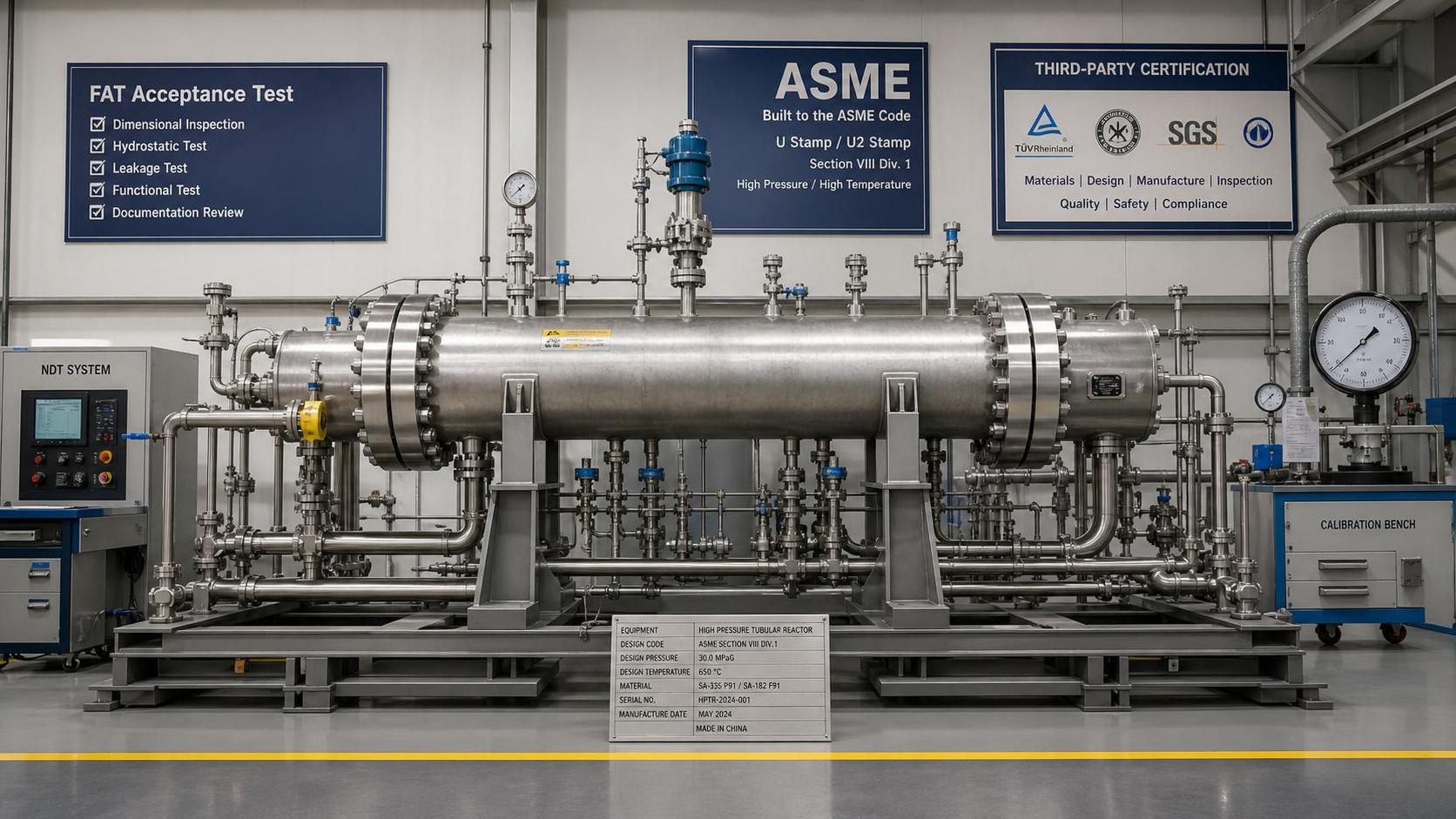
First sCO₂ Tubular Reactor Passes FAT
First sCO₂ tubular reactor passes FAT under ASME BPVC Section III Division 5. Discover what this milestone means for certification, procurement, EPC risk control, and future high-temperature equipment projects.